
Pediatrics
– SERVICES –
Pediatric Physical Therapy is Focused on Developmental Skills for Children
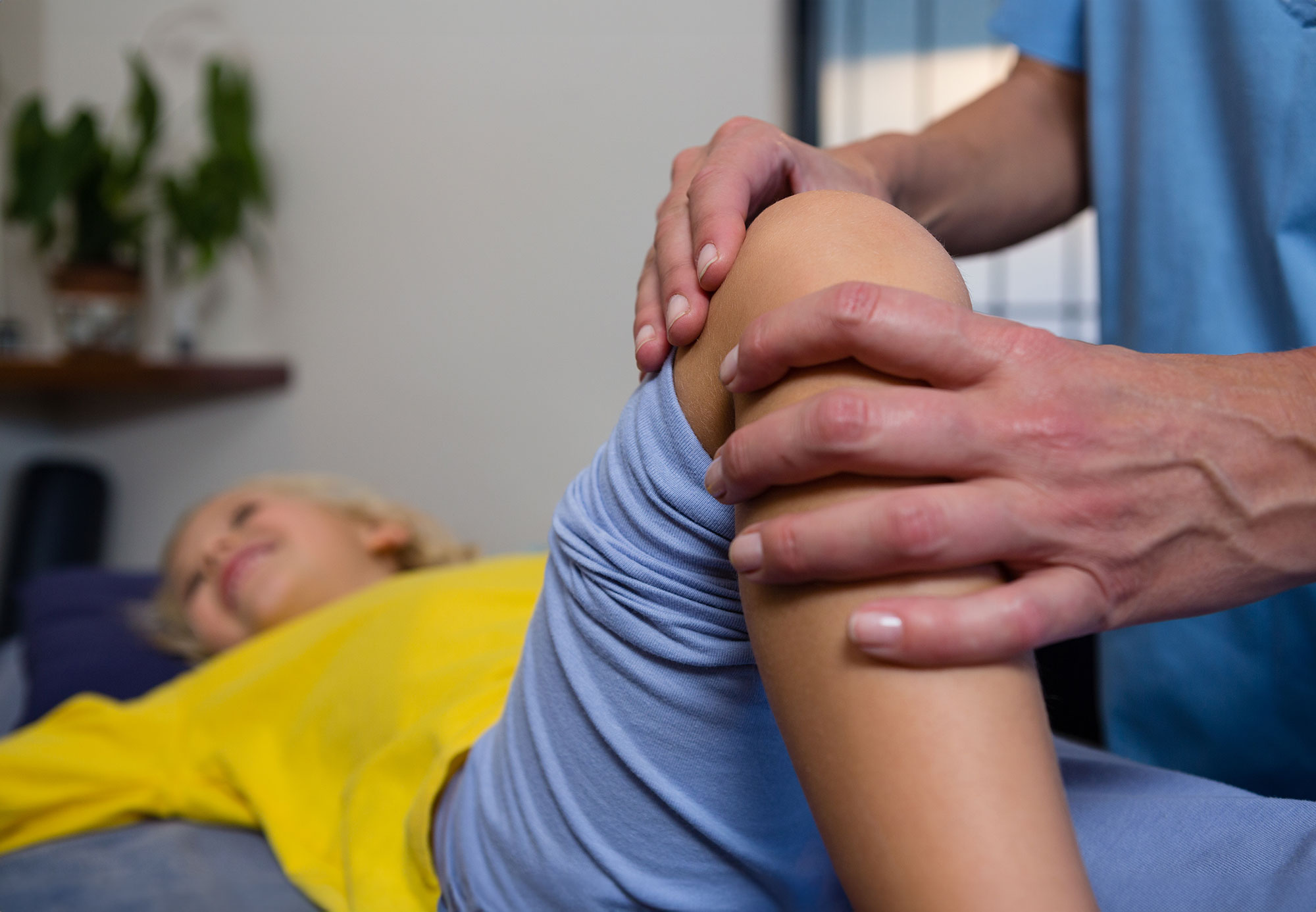
The goal of pediatric physical therapy is to help children achieve their maximum potential for functional independence, mobility, and overall quality of life.
Why is Pediatric Physical Therapy Important?
The importance of pediatric physical therapy lies in its ability to address a wide range of issues that can affect a child’s physical development and function. This therapy can benefit children with conditions such as cerebral palsy, developmental coordination disorder, torticollis, Down syndrome, spina bifida, muscular dystrophy, and more.
Benefits of Pediatric Physical Therapy
- Improved Motor Skills
- Improved Strength
- Improved Balance and Coordination
- Improved Ability to Participate in Daily Activities, School, and Recreational Pursuits
Our Treatment Approach
Pediatrics Therapy Frequently Asked Questions
Many children can begin physical therapy with a physician referral or through insurance-approved access. Our staff can help verify your insurance benefits and explain the referral process.
Absolutely. Parent and caregiver involvement is an important part of successful pediatric rehabilitation. Your therapist will provide education and home exercises to reinforce progress between visits.
Yes. Pediatric therapy sessions are designed to be engaging, interactive, and age-appropriate while helping children achieve meaningful developmental goals through play-based activities.
The first visit includes a comprehensive evaluation of your child’s movement, strength, coordination, flexibility, and developmental skills. Your therapist will discuss findings with you and develop an individualized treatment plan.
Your child may benefit from physical therapy if they have delayed motor milestones, difficulty walking or running, poor balance, frequent falls, muscle weakness, or are recovering from an injury or surgery.
Pediatric physical therapists evaluate and treat children who have difficulty with movement, balance, strength, coordination, or developmental milestones. Treatment focuses on improving physical function while supporting healthy growth and development.
Helping Children Thrive Through Movement
Movement is an essential part of childhood. It allows children to explore their environment, participate in school activities, develop friendships, and build confidence. When physical challenges interfere with these experiences, pediatric physical therapy can provide the support needed to help children achieve greater independence and reach their full potential.