AQUATIC THERAPY
– SERVICES –
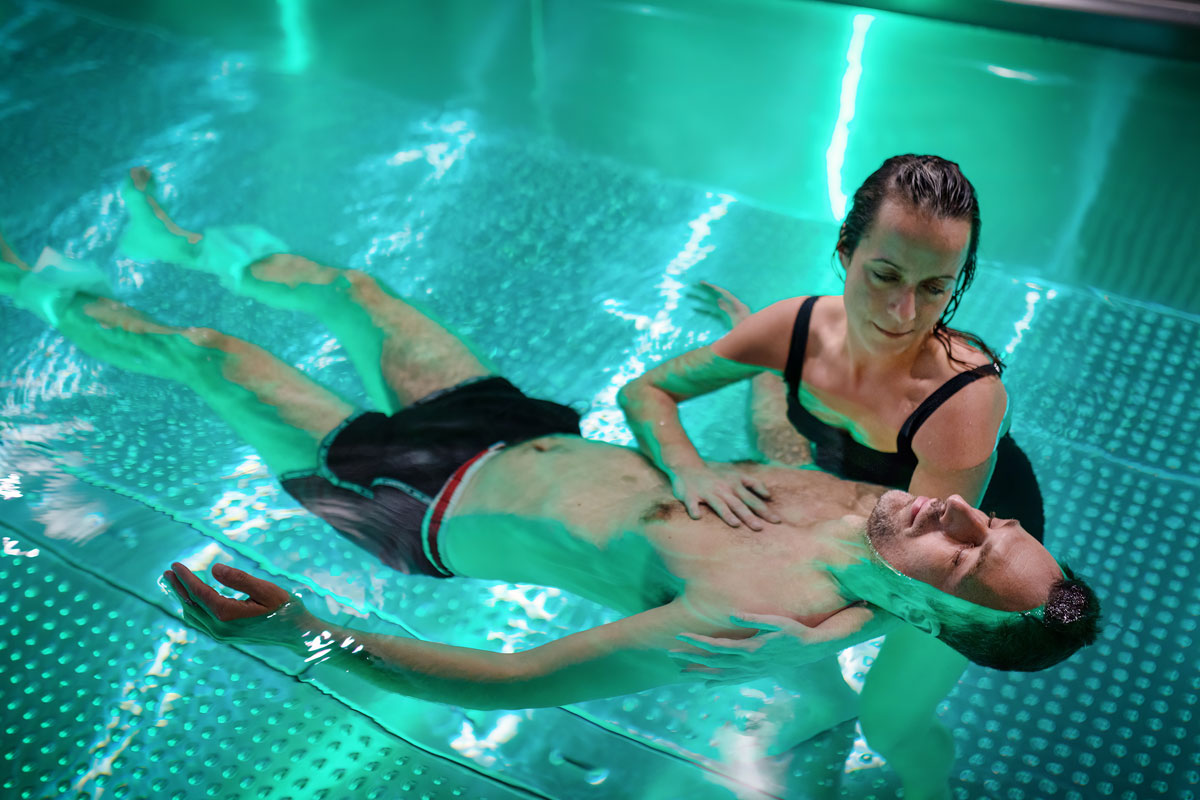
Aquatic Therapy is an effective rehabilitation tool for anyone with orthopedic, neurological, arthritic or lymphatic conditions
We understand that each individual’s needs are unique, and aquatic therapy provides a range of benefits to address various conditions. Whether you are recovering from an injury, managing chronic pain, seeking post-surgical rehabilitation, or aiming to enhance your overall fitness, aquatic therapy can be an excellent option for you.

Key Advantages of Aquatic Therapy Are:
• Buoyancy: Reduces the effects of gravity, easing movements and reducing stress on joints.
• Low-impact exercise: Minimizes joint impact, making it ideal for individuals with joint pain or weight-bearing restrictions.
• Hydrostatic pressure: Helps reduce swelling, improve circulation, and promote healing.
• Resistance: Provides natural resistance for muscle strengthening and overall fitness.
• Balance and stability: Creates a stable environment for working on balance and coordination.
• Pain relief: Soothes sore muscles and joints, providing pain relief and relaxation.
• Range of motion and flexibility: Facilitates movements and stretching exercises to improve range of motion.
Alton Physical Therapy Pools Feature:
- A Variable Speed Underwater Treadmill
- Underwater Cameras and Viewing Monitor
- Commercial Filtration System
- Resistance Jets
- Temperature 92-94°
Maredith Harris – Aquatic Therapist

Maredith Harris has been an aquatics instructor since May 2010 and has been a lifeguard for more than 20 years. She has instructed water exercise classes, lifeguard classes, and swim lessons all around the metro east area. Returning to school in 2017 to become a PTA, she was hired here at APT to be the Aquatic Therapist. Maredith is certified in aquatic therapy nationally through ATRI and is certified to teach CPR through the Red Cross and AHA. Maredith enjoys sharing her love of aquatics with others in the community both to feel better and to live life to the fullest.
Common conditions improved by Aquatic Therapy are:
- Rheumatoid Arthritis
- Post surgical knees, hips, shoulders and backs
- Knee/ankle sprains
- Stress fractures of foot, lower leg
- Fibromyalgia
- Dislocations
- Achilles and Patellar tendonitis
- Osteoarthritic conditions of hip, knees, and other joints.
- Spinal sprains/strains
Locations of Service:
- Alton
- Jerseyville
Learn more from our staff contributed articles.